Introduction to Masonry Walkways: A Gateway to Elegance
Revamping your garden is not just about planting new flowers or trimming hedges; it’s also about creating pathways that guide visitors through your outdoor sanctuary. One of the most sophisticated, durable, and aesthetically pleasing ways to achieve this is through masonry walkways. Imagine stepping onto a beautifully constructed walkway that meanders through your lush garden, offering glimpses of blooming flowers and greenery along the way. Masonry walkways can transform your outdoor space into an elegant retreat, showcasing your style while providing a functional purpose.
In this article, we'll explore the ins and outs of masonry walkways, from design ideas to installation tips, maintenance strategies, and much more. Get ready to discover how these stunning features can enhance the beauty of your garden!
Understanding Masonry Walkways
What Are Masonry Walkways?
Masonry walkways are constructed using hard materials like stone, brick, or concrete. These materials provide a robust foundation that withstands weather conditions while offering endless design possibilities. They’re perfect for adding a touch of elegance and functionality to any garden setting.
Benefits of Masonry Walkways
- Durability: Unlike wooden paths that rot over time, masonry walkways are built to last. Aesthetic Appeal: The variety of stones and bricks available allows for unique designs. Low Maintenance: Once installed, they require minimal upkeep compared to other materials. Versatility: They can complement any garden style—from modern minimalist to rustic charm.
Designing Your Masonry Walkway
Choosing the Right Material for Your Walkway
Stone vs. Brick vs. Concrete
When considering materials for your masonry walkway, think about both aesthetics and functionality:
Stone: Natural stone offers a timeless look but can be more expensive. Brick: Provides a classic appearance with vibrant colors but may require sealing. Concrete: Highly versatile in terms of shape and design but can lack personality unless stained or textured.Incorporating Curves and Shapes
A straight path may seem practical, but curves can add visual interest and create a more inviting atmosphere in your garden. Consider incorporating gentle curves that follow the natural landscape.
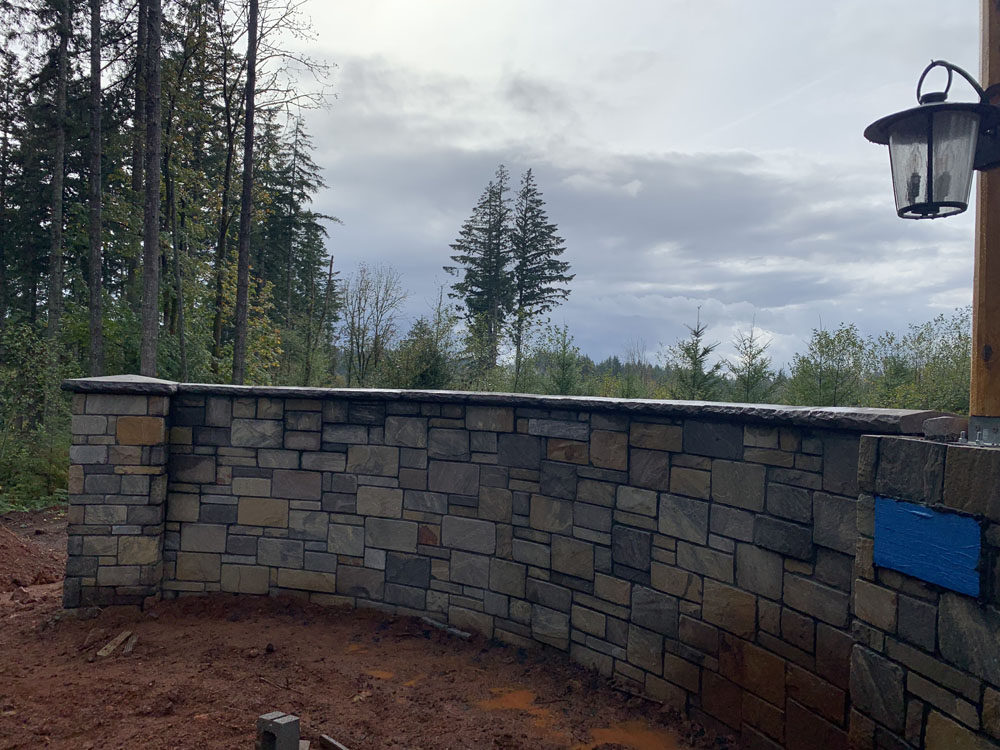
Adding Borders: Enhancing Visual Appeal
Borders made of contrasting materials can frame your walkway beautifully. Consider using smaller stones or bricks as edging to define the pathway clearly.
Planning Your Walkway Layout
Mapping Out Your Pathway
Before diving into installation, sketch out where you want your walkway to go. Consider existing plants and structures that might impact the layout.
Creating Focal Points Along the Path
Integrate focal points such as sculptures or benches along your walkway. This not only breaks up the path visually but encourages visitors to stop and enjoy their surroundings.
Installation Process for Masonry Walkways
Preparing the Ground
Clearing Debris: The First Step
Start by clearing away grass, weeds, and debris from where you plan to install the walkway.
Leveling Ground: Ensuring Stability
Leveling is crucial for creating a stable base for your masonry walkways.
Laying Out Your Design
Marking With Stakes
Use stakes and string to mark out where each stone or brick will be placed according to your planned design.
Dry Fitting: A Trial Run
Before permanently placing materials down, dry fit them in place first to ensure everything looks good together.
Installing Your Masonry Walkway
Mixing Mortar: A Step-by-Step Guide
If using mortar between bricks or stones:
Mix according to package instructions. Apply mortar on one end before placing down each piece. Ensure each piece is level as you go along.Filling Gaps: Finishing Touches
Once all pieces are https://www.qdexx.com/US/OR/Newberg/Contractors/US-OR-Newberg-Contractors-Ramos-Masonry-Construction-Company-Ramos-Masonry-Construction-Company laid out, fill in gaps with sand or additional mortar for stability.
Maintenance Tips for Long-Lasting Masonry Walkways
Regular Cleaning Techniques
Keeping up with regular cleaning helps prevent moss growth and keeps stones looking fresh:
- Use a broom or leaf blower for debris removal. Power wash annually if needed for deeper cleaning.
Sealing Your Walkway: Protection Against Elements
Consider sealing bricks or stones every couple of years to guard against stains and water damage.
Creating Ambience Around Your Walkway
Landscaping Ideas That Complement Your Path
To truly revamp your garden with elegant masonry walkways, consider landscaping around them:
Plant colorful flowers alongside paths. Add low-maintenance shrubs as borders. Install lighting fixtures along pathways for nighttime visibility.Using Decorative Elements
Incorporate decorative elements such as:
- Potted plants Decorative stones Garden art pieces
These additions will enhance both aesthetic appeal and ambiance around your masonry walkway.
Revamping Your Garden with Elegant Masonry Walkways
Imagine stepping into an enchanting garden where every detail has been thoughtfully designed—this is what elegant masonry walkways can offer! Not only do they serve as functional pathways guiding you through nature's beauty, but they also become integral parts of the landscape itself—inviting exploration while enhancing overall design harmony.
With various materials available—from rustic cobblestones to sleek modern pavers—your options are virtually limitless when it comes time for revamping! Integrating curves here or strategic focal points there invites visitors deeper into nature’s embrace rather than simply leading them from point A to B; it creates an experience worth savoring at every step taken!
Cost Considerations When Installing a Masonry Walkway
Budgeting for Materials
The cost of materials varies greatly depending on quality and type chosen (natural stone often costs more than concrete).
| Material Type | Average Cost per Square Foot | |---------------|-------------------------------| | Natural Stone | $15 - $30 | | Brick | $10 - $20 | | Concrete | $6 - $12 |
Labor Costs: DIY vs Hiring Professionals
While installing yourself saves money upfront:
- Weigh potential mistakes against professional fees A well-done installation lasts longer & looks better!
Frequently Asked Questions (FAQs)
Q1: How long do masonry walkways last?
A1: With proper installation and maintenance, masonry walkways can last 25+ years!
Q2: Do I need planning permission?
A2: Typically no; however always check local regulations beforehand!
Q3: Can I install a masonry walkway myself?
A3: Absolutely! Just ensure you have proper tools & follow guidelines carefully!
Q4: How do I remove weeds from my walkway?
A4: Regularly sweeping prevents buildup; use vinegar solution if needed on stubborn weeds!
Q5: Is sealing necessary?
A5: While not mandatory it is highly recommended—sealing protects against moisture damage & stains!
Q6: Can I install lights along my masonry walkway?
A6: Yes! Solar lights work great without needing wiring—a lovely touch at night!
Conclusion: Embracing Elegance with Masonry Walkways
Revamping your garden with elegant masonry walkways doesn’t just elevate its overall aesthetic; it creates an inviting atmosphere where every stroll feels special. From selecting appropriate materials tailored perfectly suited towards personal preferences—be it classic brick tones or rugged natural stones—to ensuring proper installation techniques yield lasting results—each step taken contributes toward crafting an outdoor oasis brimming with charm! So roll up those sleeves today because transforming spaces begins right here…one beautiful pathway at a time!