Introduction
Chimneys are integral components of many homes, providing ventilation for heating systems and enhancing architectural aesthetics. However, like any part of a house, they can suffer wear and tear over time. Homeowners often face the dilemma of whether to repair or replace their chimney. This article aims to provide insights into when it is more economical to replace rather than repair your chimney. Understanding the factors influencing this decision can save you a significant amount of money and ensure your home remains safe and functional.
Understanding Chimney Structure and Function
What is a Chimney?
A chimney is a vertical structure that channels smoke, gases, and heat from fireplaces, stoves, or furnaces outside the home. It plays a crucial role in venting combustion byproducts safely away from living spaces.
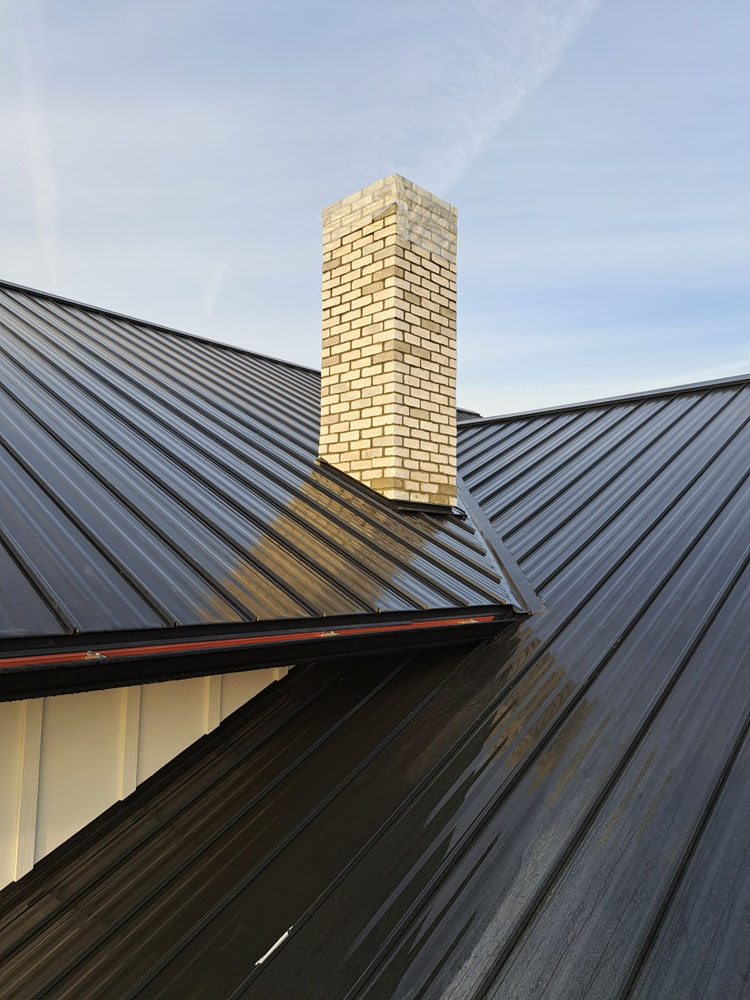
Components of a Chimney
Flue: The internal duct that allows smoke to escape. Crown: The top section that protects against water infiltration. Cap: A covering that prevents debris from entering the flue. Chimney Liner: A protective layer inside the flue that enhances safety and efficiency.How Do Chimneys Work?
Chimneys rely on convection to function effectively. As hot air rises, it creates a draft that pulls smoke upwards and out of the house. This process is vital for maintaining indoor air quality while preventing hazardous gases from accumulating.
When Is It More Economical to Replace Rather Than Repair Your Chimney?
Determining whether to repair or replace your chimney involves assessing its condition, cost implications, and long-term benefits. Here are several key considerations:
Age of the Chimney
- Older chimneys, typically those over 30 years old, may have outdated designs that are less efficient. If repairs are frequent due to age-related issues, replacement might be more economical in the long run.
Extent of Damage
- Minor cracks can often be repaired with masonry chimney repair techniques. Severe structural damage or deterioration may necessitate full replacement.
Cost Analysis: Repair vs. Replacement
| Factor | Repair Costs | Replacement Costs | |----------------------|-------------------|---------------------| | Initial Investment | $200 - $2,000 | $3,000 - $10,000 | | Long-term Maintenance | Moderate | Minimal | | Energy Efficiency | Low | High |
Local Building Codes
Local regulations might dictate whether repairs are permissible or if replacements are mandated for safety reasons—especially in older homes.
Signs That Indicate Replacement is Necessary
Visible Cracks in Masonry
Cracks larger than 1/8 inch can compromise structural integrity; thus, monitoring these signs is essential for homeowners.
Water Damage Inside Your Home
If you notice water stains around your fireplace or on ceiling areas near the chimney, this could indicate significant leaks requiring replacement rather than simple repairs.
Deterioration of Mortar Joints
Weak mortar joints can lead to further damage if not addressed https://theindustry.blog/construction/masonry-chimney-repair-restore-safety-and-function-to-your-fireplace/ promptly—replacement might become inevitable in such cases.
Cost Factors Influencing Your Decision
Initial Repair Costs vs Long-Term Savings
While immediate costs may favor repairs due to lower initial expenditures, remember that frequent repairs add up over time—potentially surpassing replacement costs.
Insurance Considerations
Many insurance policies have specific clauses regarding chimney damages; understanding these terms can influence your financial decisions when considering whether to repair or replace your chimney.
Evaluating Potential Risks Associated with Repairs
Safety Hazards of an Aging Chimney
An aging chimney poses various risks including:
- Fire hazards Carbon monoxide leaks Structural collapses
It’s crucial not just to consider financial aspects but also safety implications when contemplating repairs versus replacements.
The Importance of Professional Inspections
Regular professional inspections play an essential role in identifying underlying issues before they escalate—allowing homeowners to make informed decisions about whether they should pursue masonry chimney repair or consider replacement options instead.
FAQs About Chimney Replacement vs Repair
How do I know if my chimney needs replacing?- Look for significant cracks, water damage inside your home, or extensive deterioration of brickwork and mortar joints.
- Yes! Minor issues like small cracks can often be repaired effectively without needing full replacement.
- A well-maintained chimney can last upwards of 50 years; however, neglecting maintenance can shorten this lifespan considerably.
- While some minor tasks may be manageable for homeowners with experience, hiring professionals ensures safety and compliance with local codes.
- Professionals will evaluate structural integrity visually and possibly use cameras for internal assessments while checking for blockages or damage within flues.
- Absolutely! Newer models often come equipped with advanced technology improving energy efficiency significantly compared to older versions prone to drafts and inefficiencies.
Conclusion
Deciding between repairing or replacing your chimney requires careful consideration of several factors including age, extent of damage, costs involved as well as safety concerns associated with continued use of an aging structure. Armed with knowledge about these aspects will empower you as a homeowner making one informed choice! Always consult professionals when necessary—after all; their expertise could save you time—and money!
In summary: When faced with questions like "When Is It More Economical to Replace Rather Than Repair Your Chimney?", evaluating each aspect thoroughly ensures peace-of-mind while safeguarding both finances & family health alike!